Bullying among siblings: Parents' Attitude Is Crucial to Dealing With Anger
Bullying among siblings: Parents’ attitudes are critical to dealing with anger
- Center-left1
- Center-right1
1 agency rewrite / co-publication detected
Summary
Bullying among siblings: Parents’ attitudes are critical to dealing with anger. Nearly 30 percent of approximately 7,000 children in the Greater Bristol area in the United Kingdom reported acts of sibling bullying, both as victims and as perpetrators, according to data from the Avon Longitudinal Study of Parents and Children (ALSPAC). Bullying can lead to long-term psychological consequences – Parents in duty so about 31 percent of the entire sample reported having been beaten, kicked, pushed or rough packed.
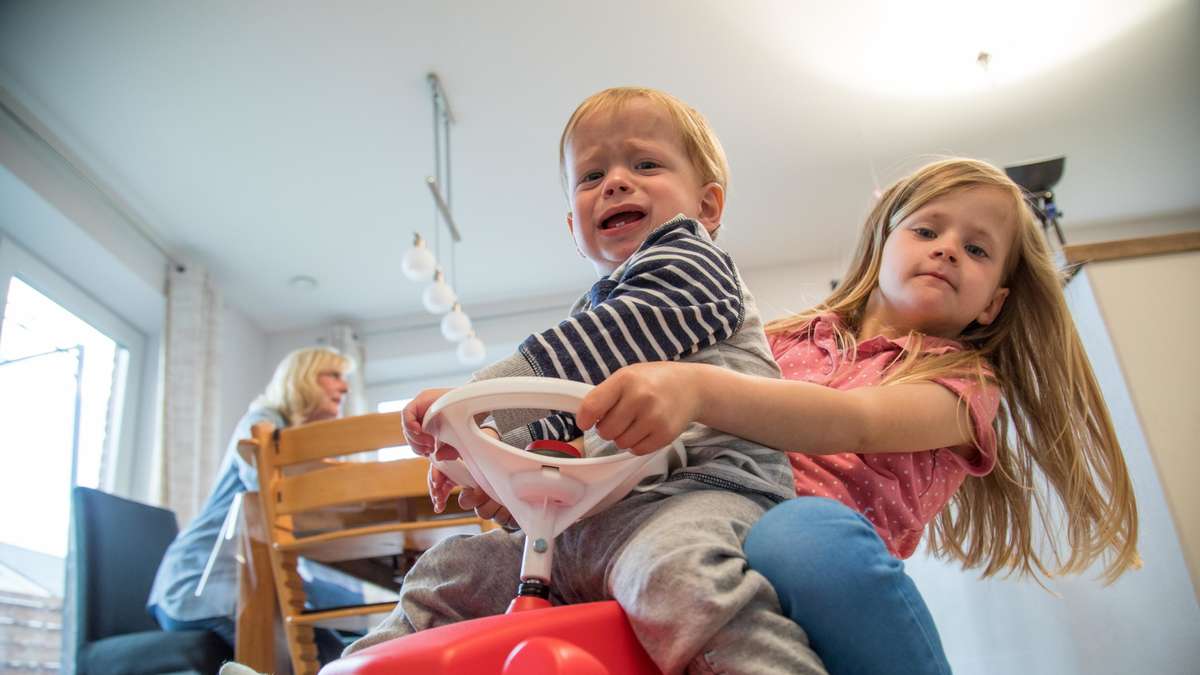
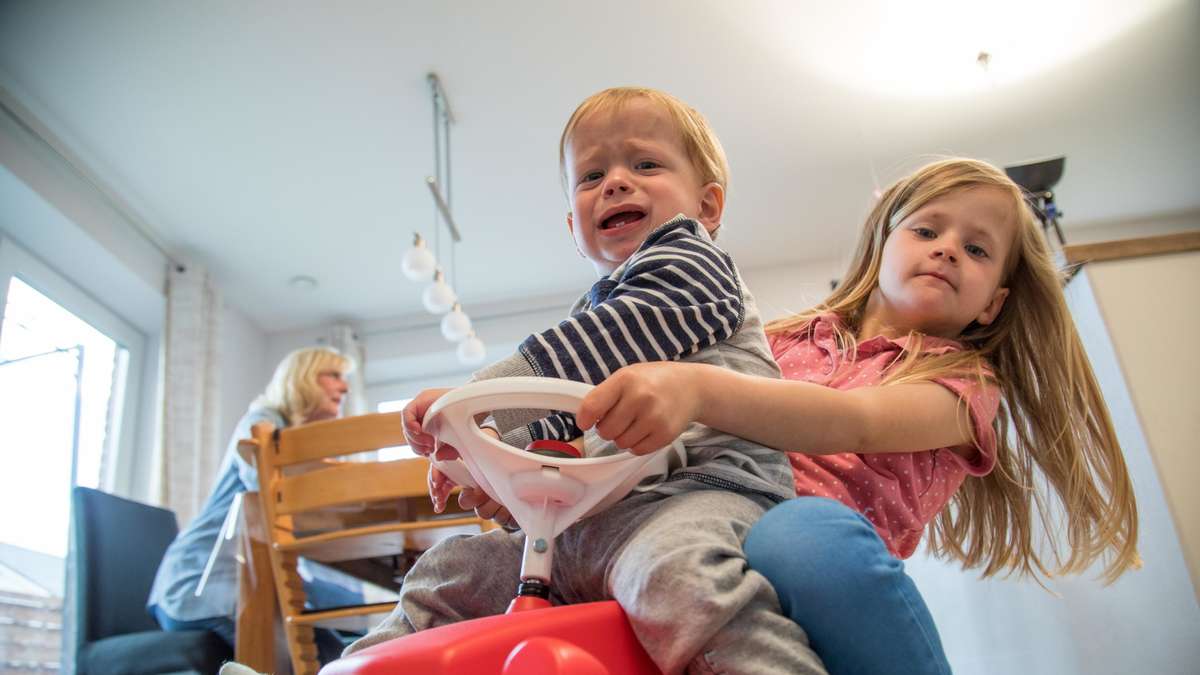
Furthermore, Disputes between siblings are normal, but must not degenerate into bullying. © Christin Klose/picture alliance/dpa The scientific literature shows that the rate of bullying among young people is more than 50 percent higher when their parents show cool, distant and unsupportive behavior. Even if they act in the best of intentions or are simply overwhelmed by stress, parents must be aware that every sharp word or manipulative gesture is an example that their child stores. The average age of the small tyrants and victims was nearly the same and was about eight years old.
In addition, The theory of Angela J. Narayan and the scientific findings boil down to a central point: to stop bullying, it is not enough to punish young people, you have to look into the families. Driven by an actual or perceived power imbalance or by complaints about different treatment, sibling bullying is the most common form of domestic violence.
Cross-referenced from 2 sources.
Factual coreconfirmed by several independent voices
Bullying among siblings: Parents’ attitudes are critical to dealing with anger.
reliability low1/2 sourcesNearly 30 percent of approximately 7,000 children in the Greater Bristol area in the United Kingdom reported acts of sibling bullying, both as victims and as perpetrators, according to data from the Avon Longitudinal Study of Parents and Children (ALSPAC).
reliability low1/2 sourcesBullying can lead to long-term psychological consequences – Parents in duty so about 31 percent of the entire sample reported having been beaten, kicked, pushed or rough packed.
reliability low1/2 sourcesDisputes between siblings are normal, but must not degenerate into bullying. © Christin Klose/picture alliance/dpa The scientific literature shows that the rate of bullying among young people is more than 50 percent higher when their parents show cool, distant and unsupportive behavior.
reliability low1/2 sourcesEven if they act in the best of intentions or are simply overwhelmed by stress, parents must be aware that every sharp word or manipulative gesture is an example that their child stores.
reliability low1/2 sourcesThe average age of the small tyrants and victims was nearly the same and was about eight years old.
reliability low1/2 sourcesThe theory of Angela J. Narayan and the scientific findings boil down to a central point: to stop bullying, it is not enough to punish young people, you have to look into the families.
reliability low1/2 sourcesDriven by an actual or perceived power imbalance or by complaints about different treatment, sibling bullying is the most common form of domestic violence.
reliability low1/2 sources
Disputedincompatible versions — to verify
No factual contradiction detected between sources.
Framing by sidesame fact, different words — loaded terms highlighted
No notable framing divergence.
Blind spotwhat one side keeps silent
No blind spot detected: every side covers the same facts.
Sources2 sources cross-checked
Center-left1
Center-right1