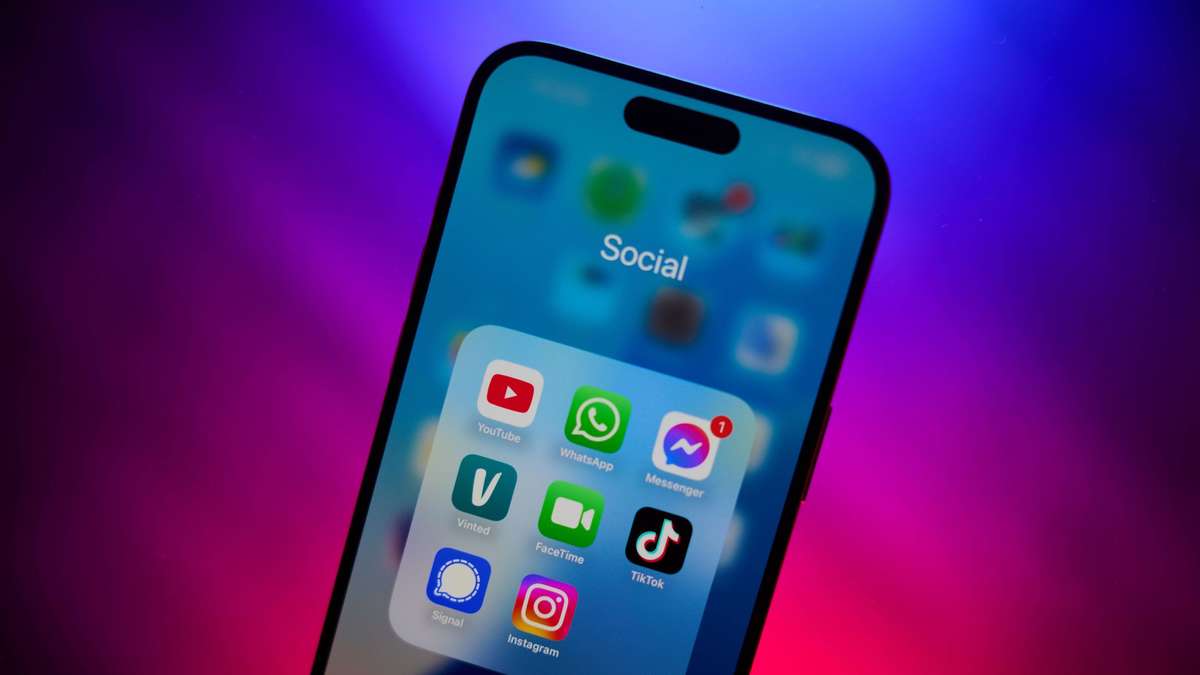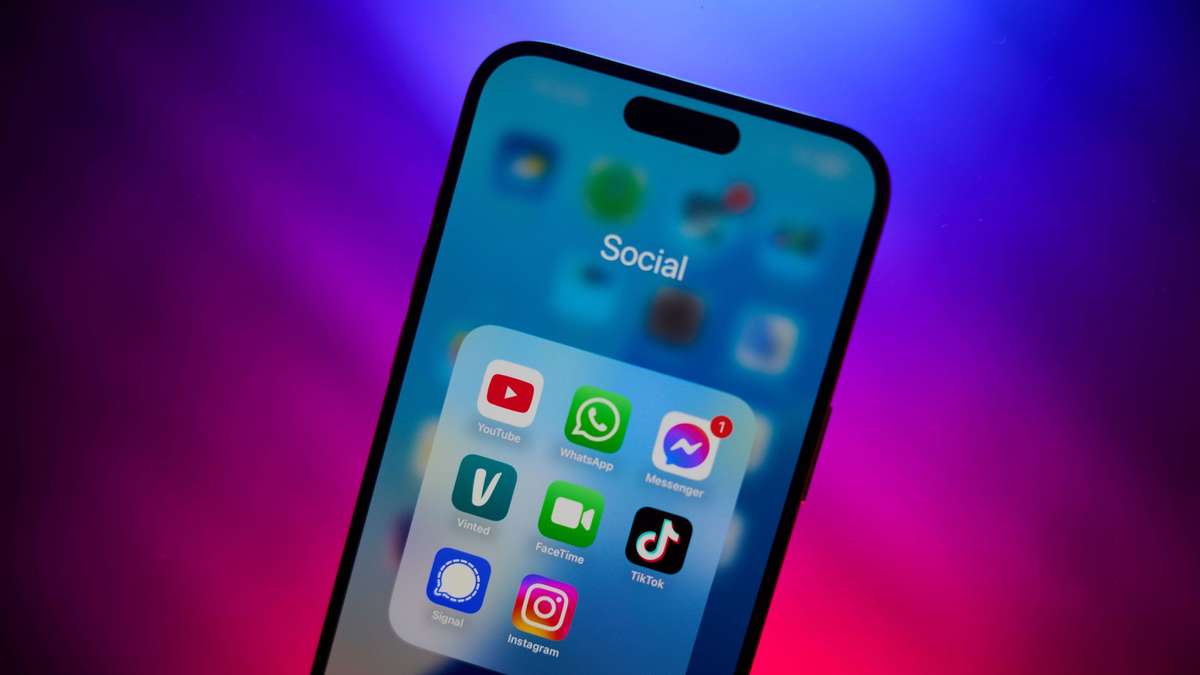
Over 3,000 Lawsuits Admitted: US Court Denies Meta, Google and TikTok Protection from Trials
The companies, including Snapchat, TikTok, Meta and Google, invoke Section 230 of the Communications Decency Act of 1996, which has been in use for decades
- Center-left1
- Center-right1
1 agency rewrite / co-publication detected

Summary
The companies, including Snapchat, TikTok, Meta and Google, invoke Section 230 of the Communications Decency Act of 1996, a liability rule of U.S. law that has been controversial for decades. Meta considered, however, that Section 230 provides further protection and therefore allows the company to immediately challenge the decision of the preliminary court in order to avoid lengthy and costly proceedings. Appeal rejected: no general immunity The Ninth District Court did not follow this line of reasoning and clarified that Section 230 did not constitute a comprehensive carte blanche.
Furthermore, Limitations of Liability Protection under Section 230 The law basically protects digital platforms from liability for content that their users publish, such as comments, photos or videos. This court had admitted more than 3,000 lawsuits in a federal court, which can now be further negotiated and could lead to large amounts of damages. Over 3,000 lawsuits admitted: U.S. courts deny Meta, Google and TikTok protection from litigation.
In addition, They are accused of not acting vigorously enough against the dissemination of harmful content and at the same time designing their offers in such a way that they are as captivating as possible, for example through intrusive notifications and personalized feeds. They argue that the regulation protects them from lawsuits accusing them of not having sufficiently warned the public about the potential addictiveness of their offerings, as they essentially only provide the technical infrastructure.
Cross-referenced from 2 sources.
Factual coreconfirmed by several independent voices
The companies, including Snapchat, TikTok, Meta and Google, invoke Section 230 of the Communications Decency Act of 1996, a liability rule of U.S. law that has been controversial for decades.
reliability low1/2 sourcesMeta considered, however, that Section 230 provides further protection and therefore allows the company to immediately challenge the decision of the preliminary court in order to avoid lengthy and costly proceedings.
reliability low1/2 sourcesAppeal rejected: no general immunity The Ninth District Court did not follow this line of reasoning and clarified that Section 230 did not constitute a comprehensive carte blanche.
reliability low1/2 sourcesLimitations of Liability Protection under Section 230 The law basically protects digital platforms from liability for content that their users publish, such as comments, photos or videos.
reliability low1/2 sourcesThis court had admitted more than 3,000 lawsuits in a federal court, which can now be further negotiated and could lead to large amounts of damages.
reliability low1/2 sourcesOver 3,000 lawsuits admitted: U.S. courts deny Meta, Google and TikTok protection from litigation.
reliability low1/2 sourcesThey are accused of not acting vigorously enough against the dissemination of harmful content and at the same time designing their offers in such a way that they are as captivating as possible, for example through intrusive notifications and personalized feeds.
reliability low1/2 sourcesThey argue that the regulation protects them from lawsuits accusing them of not having sufficiently warned the public about the potential addictiveness of their offerings, as they essentially only provide the technical infrastructure.
reliability low1/2 sources
Disputedincompatible versions — to verify
No factual contradiction detected between sources.
Framing by sidesame fact, different words — loaded terms highlighted
No notable framing divergence.
Blind spotwhat one side keeps silent
No blind spot detected: every side covers the same facts.
Sources2 sources cross-checked
Center-left1
Center-right1