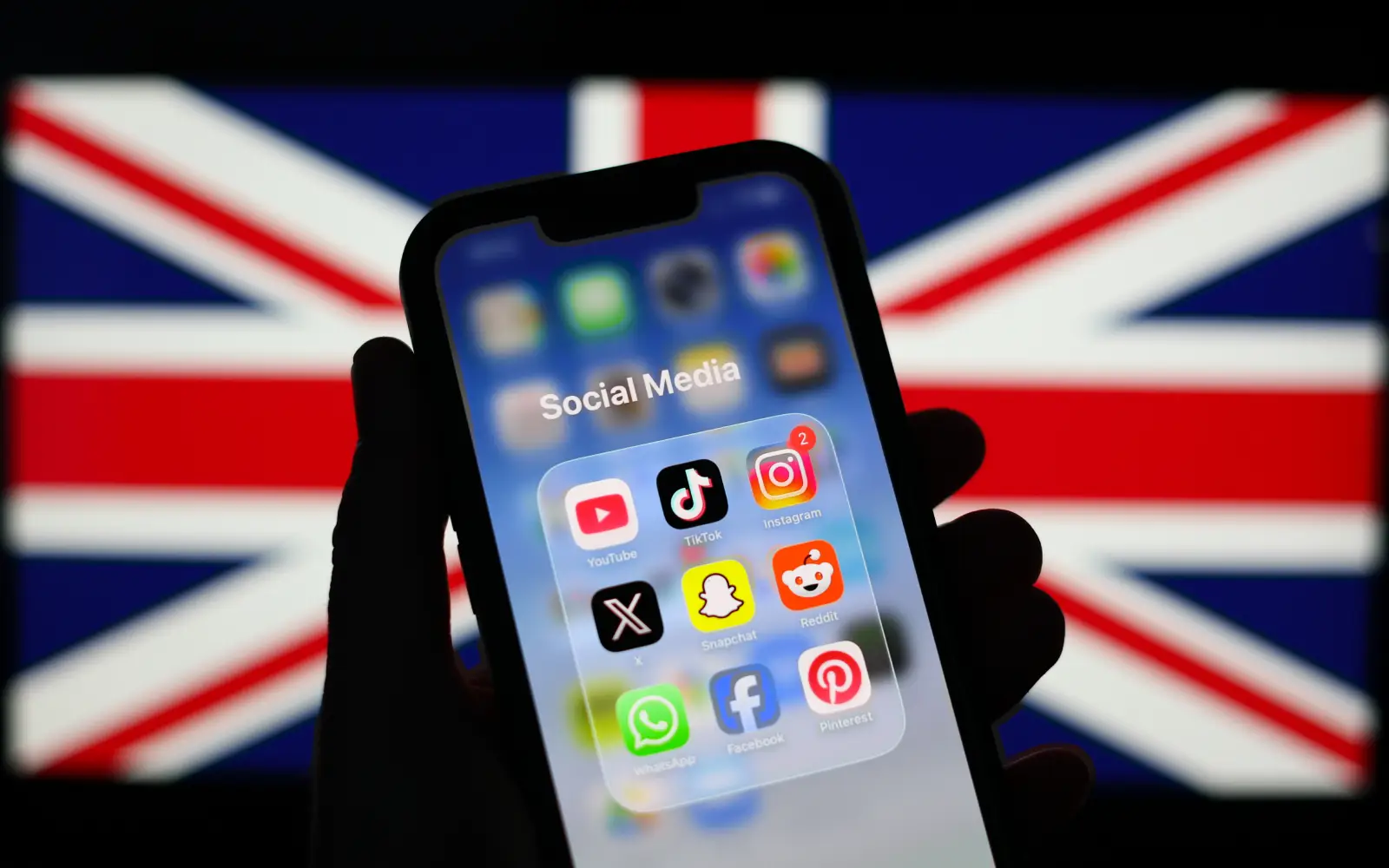
Poll finds 84.6% of 16- to 18-year-olds would switch off the voluntary overnight block, set to start next spring
Most UK teens plan to opt out of social media curfew
- Center-left1
- Center1
no rewrites detected — all voices distinct
Summary
Youngsters aged 16- and 17-years-old will face an automatic block from accessing platforms from midnight to 6am - but research shows they plan to switch the curfew off next spring 00:05, 07 Aug 2026 Most teenagers plan to switch off a voluntary overnight curfew on social media which is due to come into effect next spring, polling suggests. Youngsters aged 16 and 17 will face an automatic block from accessing platforms from midnight to 6am under online safety plans unveiled last month. But polling by Censuswide has found 84.6% of 16- to 18-year-olds said they would opt out of the proposed curfews. The research suggests a curfew is "unlikely to be enough on its own to prevent online harms," said Leanne Proctor, regulatory lead at the Online Responsibility Network, the organisation the survey was conducted for. The time restriction would be enabled by default settings on social media accounts for children aged 16 and 17, preventing them from accessing social media sites between midnight and 6am.
Furthermore, Plans to introduce an overnight social media curfew for children aged 16 and 17 were unveiled by the UK government in mid-July under Prime Minister Andy Burnham's predecessor, Keir Starmer. Autoplay videos, which are clips that automatically play one after another, and recommender feeds that push a personalised stream of content will also be switched off by default. Some campaigners and bereaved families were fiercely in favour of a social media ban as the solution to a spiralling online harms crisis. Then-Education Secretary Bridget Phillipson suggested the voluntary element to curfews could be changed if it was found many teenagers were switching off the default settings.
Cross-referenced from 2 sources.
Factual coreconfirmed by several independent voices
Youngsters aged 16- and 17-years-old will face an automatic block from accessing platforms from midnight to 6am - but research shows they plan to switch the curfew off next spring 00:05, 07 Aug 2026 Most teenagers plan to switch off a voluntary overnight curfew on social media which is due to come into effect next spring, polling suggests. Youngsters aged 16 and 17 will face an automatic block from accessing platforms from midnight to 6am under online safety plans unveiled last month. But polling by Censuswide has found 84.6% of 16- to 18-year-olds said they would opt out of the proposed curfews.
reliability moderate2/2 sourcesThe research suggests a curfew is "unlikely to be enough on its own to prevent online harms," said Leanne Proctor, regulatory lead at the Online Responsibility Network, the organisation the survey was conducted for.
reliability moderate2/2 sources
Reported detailssecondary facts, each attributed to its source
The time restriction would be enabled by default settings on social media accounts for children aged 16 and 17, preventing them from accessing social media sites between midnight and 6am.
according to Free Malaysia TodayPlans to introduce an overnight social media curfew for children aged 16 and 17 were unveiled by the UK government in mid-July under Prime Minister Andy Burnham's predecessor, Keir Starmer.
according to Free Malaysia TodayAutoplay videos, which are clips that automatically play one after another, and recommender feeds that push a personalised stream of content will also be switched off by default. Some campaigners and bereaved families were fiercely in favour of a social media ban as the solution to a spiralling online harms crisis.
according to Daily Mirror - NewsThen-Education Secretary Bridget Phillipson suggested the voluntary element to curfews could be changed if it was found many teenagers were switching off the default settings.
according to Daily Mirror - News
Disputedincompatible versions — to verify
No factual contradiction detected between sources.
Framing by sidesame fact, different words — loaded terms highlighted
No notable framing divergence.
Blind spotwhat one side keeps silent
No blind spot detected: every side covers the same facts.
Sources2 sources cross-checked
Center-left1
Center1