Trump fumes over Canadian wildfire smoke and issues tariff threat
More than 190 of those fires were in Ontario
- Center-left2
- Center2
no rewrites detected — all voices distinct
Summary
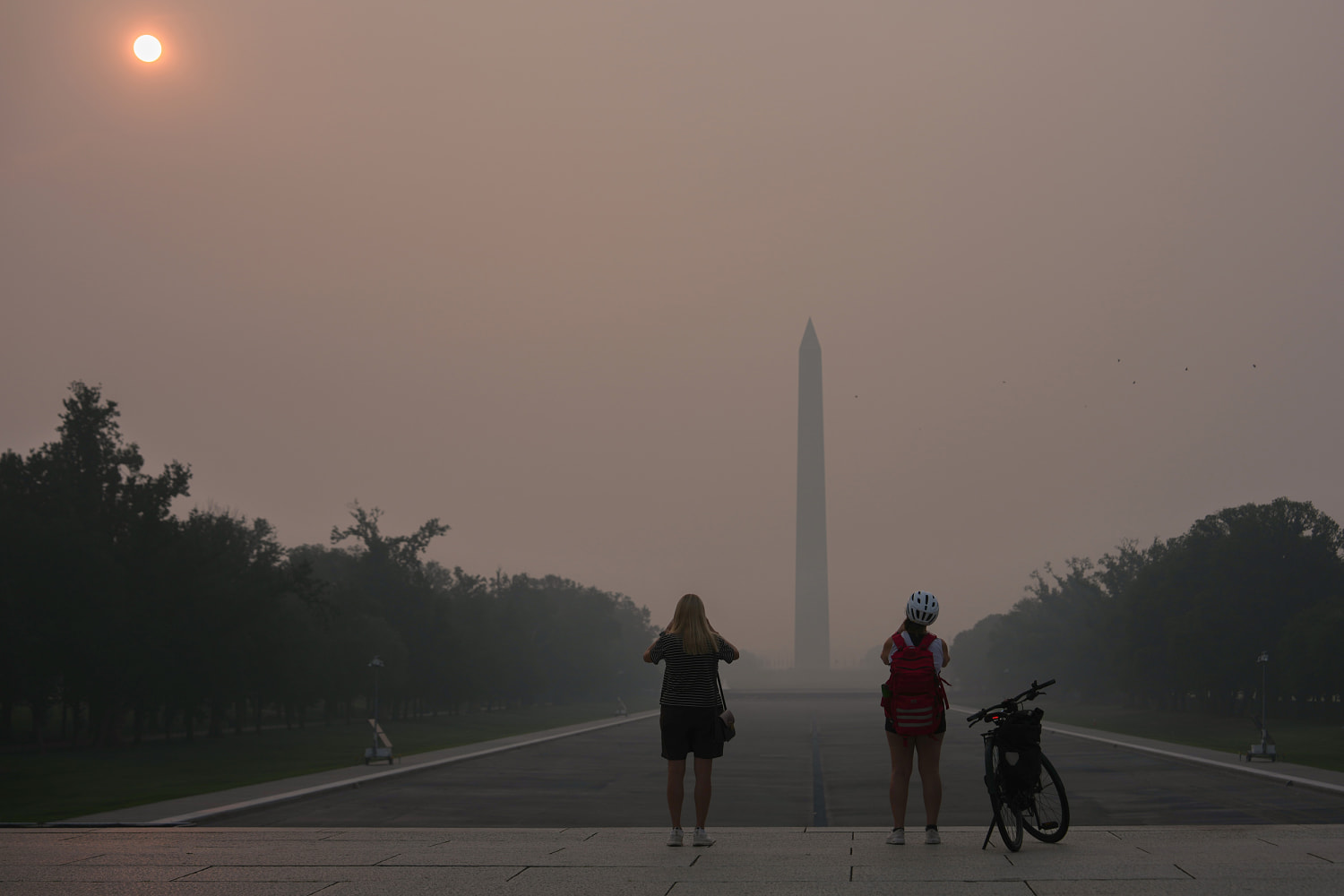
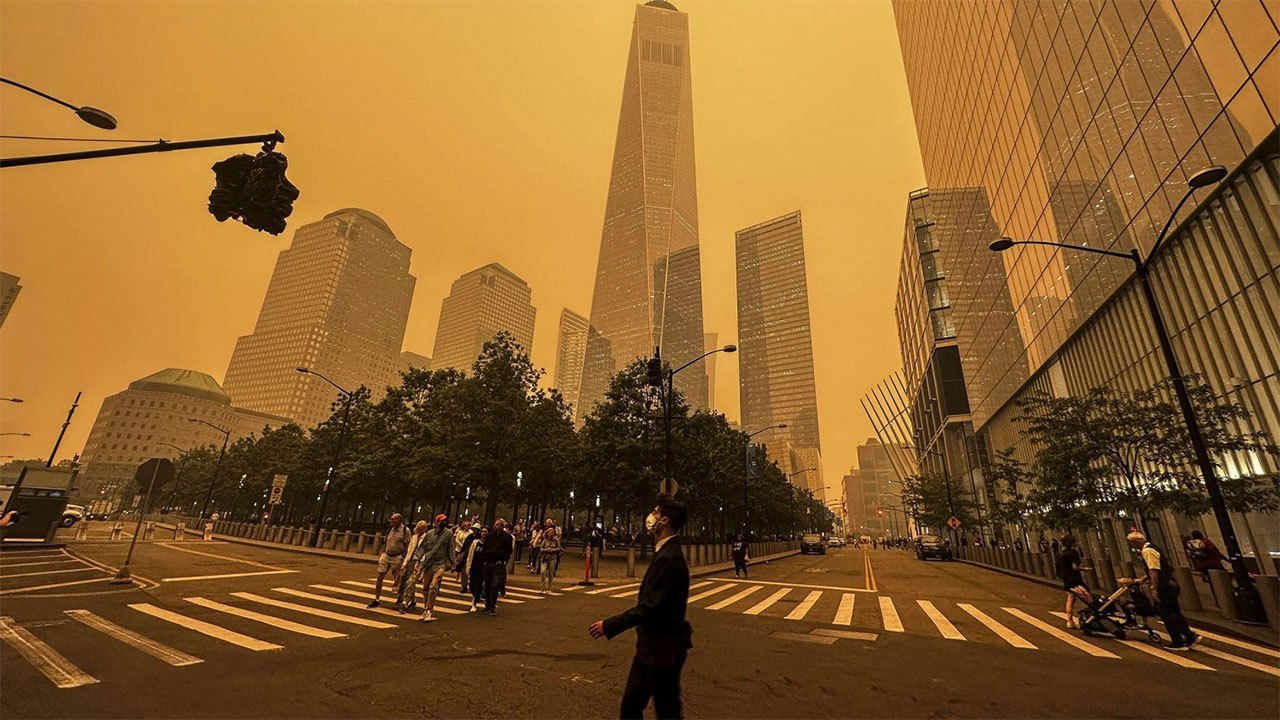
More than 190 of those fires were in Ontario. As of Friday, there were about 888 fires actively burning in Canada, according to the Canadian Wildland Fire Information System - with the majority burning out of control. Detroit recorded the world's worst air quality on Friday, followed by Chicago, Washington DC and New York.
Furthermore, Experts also say many of the current fires are burning in Canada's vast, remote forests, where fires can be difficult to detect or contain before they become too large. "Weather doesn't care about international borders," says Dr Patrick James from the University of Toronto. The wildfire smoke has affected air quality across parts of the United States, including Minnesota, Michigan, Pennsylvania, Ohio and New York.
In addition, The cost is incalculable!" Trump added. But scientists BBC Verify have spoken to say the picture is more complicated. "We are done accepting apologies in place of action," they said, warning the US could explore direct involvement in cross-border wildfire protection and firefighting if Canada failed to act.
Moreover, Trump further accused Canada of refusing to undertake adequate forest management and debris removal, calling it "willful negligence" and claiming the recurring wildfire smoke has caused billions of dollars in losses to the United States.
Cross-referenced from 3 sources.
Factual coreconfirmed by several independent voices
More than 190 of those fires were in Ontario.
reliability moderate2/2 sourcesAs of Friday, there were about 888 fires actively burning in Canada, according to the Canadian Wildland Fire Information System - with the majority burning out of control.
reliability moderate2/2 sourcesDetroit recorded the world's worst air quality on Friday, followed by Chicago, Washington DC and New York.
reliability moderate2/2 sourcesExperts also say many of the current fires are burning in Canada's vast, remote forests, where fires can be difficult to detect or contain before they become too large.
reliability moderate2/2 sources"Weather doesn't care about international borders," says Dr Patrick James from the University of Toronto.
reliability moderate2/2 sourcesThe wildfire smoke has affected air quality across parts of the United States, including Minnesota, Michigan, Pennsylvania, Ohio and New York.
reliability moderate2/2 sources
Reported detailssecondary facts, each attributed to its source
The cost is incalculable!" Trump added.
according to The Times of India - Top StoriesBut scientists BBC Verify have spoken to say the picture is more complicated.
according to Ada Derana"We are done accepting apologies in place of action," they said, warning the US could explore direct involvement in cross-border wildfire protection and firefighting if Canada failed to act.
according to Ada DeranaTrump further accused Canada of refusing to undertake adequate forest management and debris removal, calling it "willful negligence" and claiming the recurring wildfire smoke has caused billions of dollars in losses to the United States.
according to The Times of India - Top Stories
Disputedincompatible versions — to verify
No factual contradiction detected between sources.
Framing by sidesame fact, different words — loaded terms highlighted
No notable framing divergence.
Blind spotwhat one side keeps silent
More than 190 of those fires were in Ontario.
omitted byLeft sidecovered byCenterAs of Friday, there were about 888 fires actively burning in Canada, according to the Canadian Wildland Fire Information System - with the…
omitted byLeft sidecovered byCenterAccording to IQAir, Detroit recorded the world's worst air quality on Friday, followed by Chicago, Washington DC and New York.
omitted byLeft sidecovered byCenterExperts also say many of the current fires are burning in Canada's vast, remote forests, where fires can be difficult to detect or contain…
omitted byLeft sidecovered byCenter"Weather doesn't care about international borders," says Dr Patrick James from the University of Toronto.
omitted byLeft sidecovered byCenter
Sources3 sources cross-checked
Center-left1