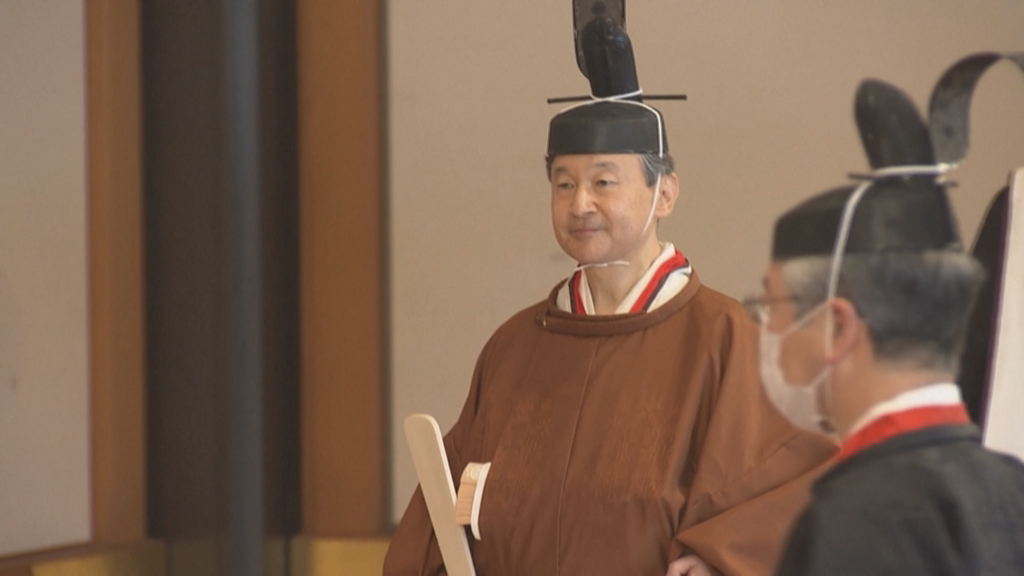
Japan changes rules to save shrinking monarchy, but bars female emperors
The first substantive revision to the 1947 law introduced two changes – permitting the adoption of males aged 15 and over from former branch families descended…
- Center2
- Public / State2
no rewrites detected — all voices distinct
Summary
The first substantive revision to the 1947 law introduced two changes – permitting the adoption of males aged 15 and over from former branch families descended from emperors through the male line and allowing female members to retain their imperial status even after. Japan’s parliament approved on Friday a revised Imperial House Law to address the issue of the shrinking royal family, while retaining the long-standing male-only succession system, despite public support for female emperors. The more controversial of the two measures allows unmarried male descendants, aged 15 or older, of distant imperial relatives — but only of paternal lineage — to be adopted into the royal family.
Furthermore, The paternal-line male succession was stipulated for the first time in the 1890 Imperial House Law, when Japan promoted patriarchal systems. The 1947 Imperial House Law took effect while Japan was under US occupation following World War II. The new imperial system established under the revised law will be reviewed every 30 years if necessary, considering the progress made in making it sustainable.
Cross-referenced from 4 sources.
Factual coreconfirmed by several independent voices
The first substantive revision to the 1947 law introduced two changes – permitting the adoption of males aged 15 and over from former branch families descended from emperors through the male line and allowing female members to retain their imperial status even after
reliability moderate3/3 sourcesJapan’s parliament approved on Friday a revised Imperial House Law to address the issue of the shrinking royal family, while retaining the long-standing male-only succession system, despite public support for female emperors.
reliability moderate3/3 sources
Reported detailssecondary facts, each attributed to its source
The more controversial of the two measures allows unmarried male descendants, aged 15 or older, of distant imperial relatives — but only of paternal lineage — to be adopted into the royal family.
according to France 24 English — All NewsThe paternal-line male succession was stipulated for the first time in the 1890 Imperial House Law, when Japan promoted patriarchal systems.
according to France 24 English — All NewsThe 1947 Imperial House Law took effect while Japan was under US occupation following World War II.
according to The Straits Times - AsiaThe new imperial system established under the revised law will be reviewed every 30 years if necessary, considering the progress made in making it sustainable.
according to The Straits Times - Asia
Disputedincompatible versions — to verify
No factual contradiction detected between sources.
Framing by sidesame fact, different words — loaded terms highlighted
No notable framing divergence.
Blind spotwhat one side keeps silent
No blind spot detected: every side covers the same facts.
Sources3 sources cross-checked
Public / State2