“Can slow biological processes”: Slimming syringe has an anti-aging effect according to US study
“Can slow down biological processes”: According to the US study, slimming syringe has an anti-aging effect
- Center-left1
- Center-right1
1 agency rewrite / co-publication detected
Summary
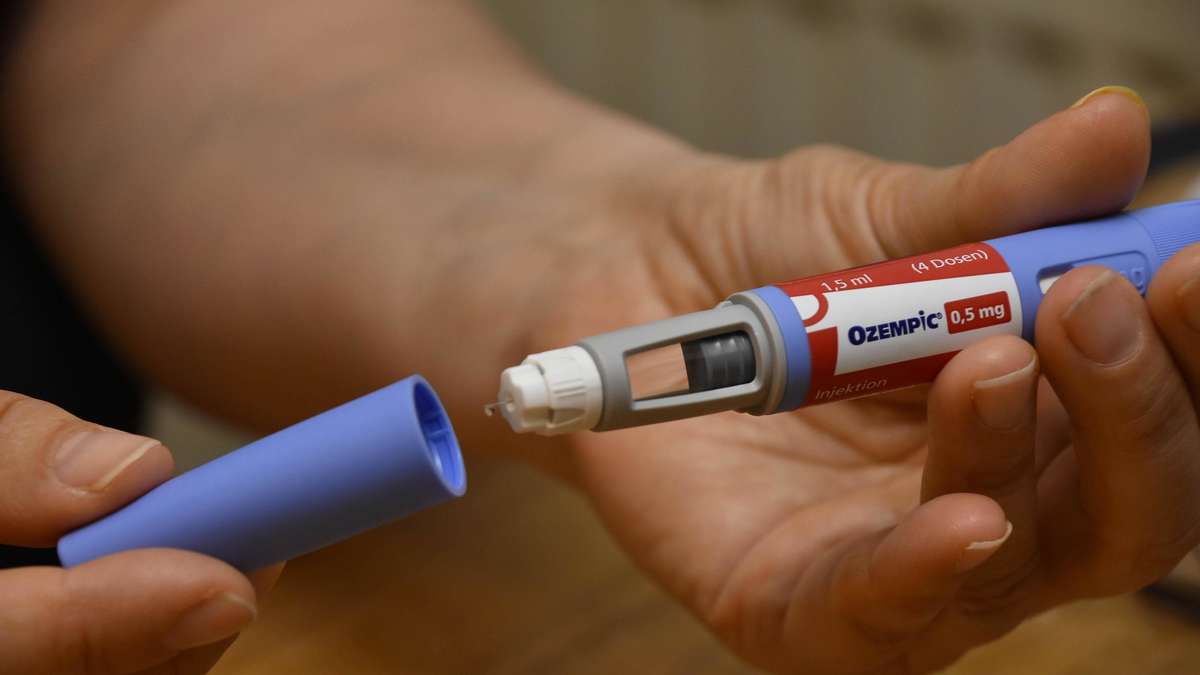
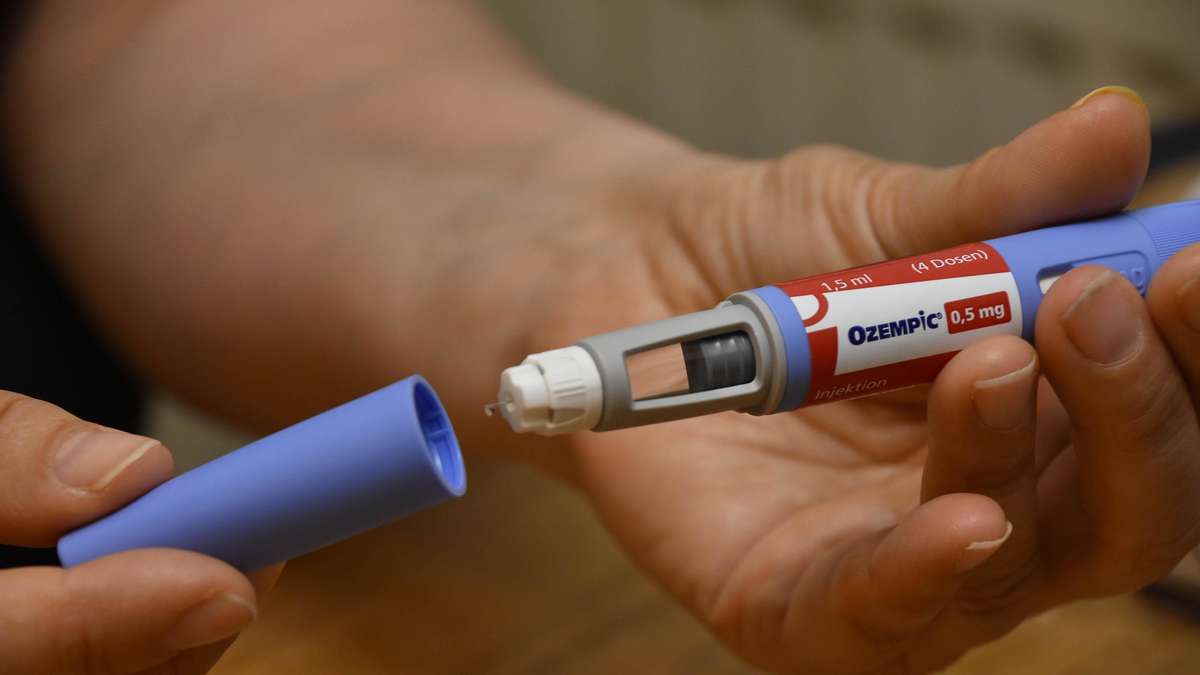
“Can slow down biological processes”: According to the US study, slimming syringe has an anti-aging effect. New study examines our biological clocks: Slimming syringe slows aging processes 108 adults with HIV-associated lipohypertrophy — a metabolic disorder that leads to excessive fat accumulation in the abdomen — received either semaglutide once a week or a placebo over 32 weeks. Answers are now provided by a study published in the journal Nature Communications in May 2026.
Furthermore, According to Andreas Birkenfeld from the University Hospital Tübingen, 20 to 25 percent of patients suffer from nausea, vomiting or diarrhea in the first months of treatment. Up to five years younger at the molecular level: The study participants who received semaglutide showed a significantly more favorable picture than the placebo group at 32 weeks in several of these biological clocks. Researchers warn of too much optimism – weight-loss drugs harbour dangers The authors themselves stress several limitations: The sample was comparatively small with 84 evaluable participants.
In addition, Another factor is the attenuation of chronic inflammation. In addition, it is a specific population group – people with HIV and lipohypertrophy – whose findings cannot be readily transferred to the general population.
Cross-referenced from 2 sources.
Factual coreconfirmed by several independent voices
“Can slow down biological processes”: According to the US study, slimming syringe has an anti-aging effect.
reliability low1/2 sourcesNew study examines our biological clocks: Slimming syringe slows aging processes 108 adults with HIV-associated lipohypertrophy — a metabolic disorder that leads to excessive fat accumulation in the abdomen — received either semaglutide once a week or a placebo over 32 weeks.
reliability low1/2 sourcesAnswers are now provided by a study published in the journal Nature Communications in May 2026.
reliability low1/2 sourcesAccording to Andreas Birkenfeld from the University Hospital Tübingen, 20 to 25 percent of patients suffer from nausea, vomiting or diarrhea in the first months of treatment.
reliability low1/2 sourcesUp to five years younger at the molecular level: The study participants who received semaglutide showed a significantly more favorable picture than the placebo group at 32 weeks in several of these biological clocks.
reliability low1/2 sourcesResearchers warn of too much optimism – weight-loss drugs harbour dangers The authors themselves stress several limitations: The sample was comparatively small with 84 evaluable participants.
reliability low1/2 sourcesAnother factor is the attenuation of chronic inflammation.
reliability low1/2 sourcesIn addition, it is a specific population group – people with HIV and lipohypertrophy – whose findings cannot be readily transferred to the general population.
reliability low1/2 sources
Disputedincompatible versions — to verify
No factual contradiction detected between sources.
Framing by sidesame fact, different words — loaded terms highlighted
No notable framing divergence.
Blind spotwhat one side keeps silent
No blind spot detected: every side covers the same facts.
Sources2 sources cross-checked
Center-left1
Center-right1